In this guide
How we picked
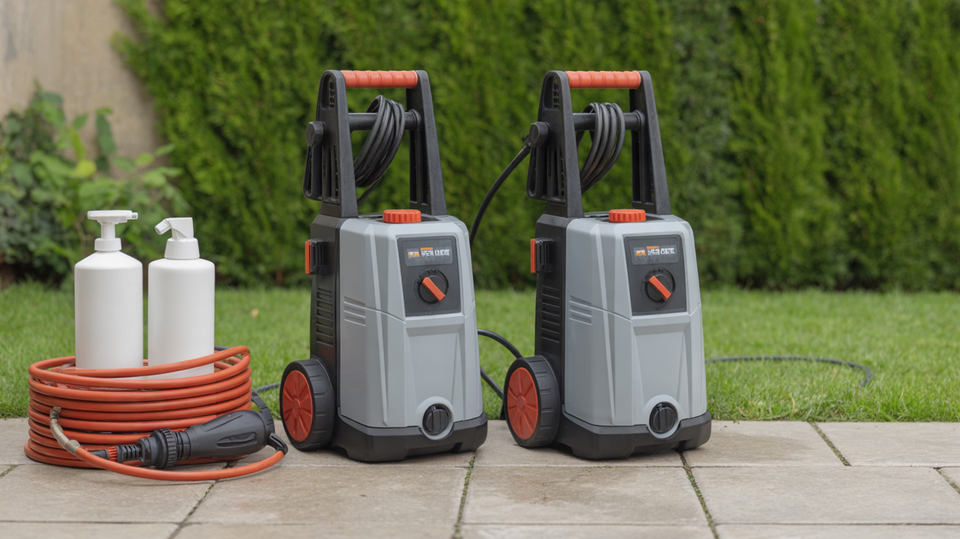
We looked at electric pressure washers sold by major retailers and compared listed PSI, GPM, hose length, power cord length, included nozzles, detergent tank setup, weight, warranty length, and current price. We favored models with clear specs, common replacement parts or accessories, and broad availability.
The best picks, ranked
Westinghouse ePX3500 Electric Pressure Washer, 2500 Max PSI 1.76 Max GPM with Anti-Tippin…

- 2500 max PSI, 1.76 max GPM
- 19 lb with anti-tipping design
- 25' hose and 20 oz soap tank
Pressure Washer, Portable Power Washer, 4 Quick Connect Nozzles, High Pressure Cleaning M…

- Up to 2.5 GPM water flow
- 4 quick-connect nozzles
- Foam cannon and detergent bottle
Westinghouse WPX3000e Electric Pressure Washer, 3000 Max PSI and 1.76 Max GPM, Induction…

Westinghouse ePX3100 Electric Pressure Washer, 2300 Max PSI 1.76 Max GPM with Anti-Tippin…

- 2300 max PSI, 1.76 max GPM
- 19 lb with anti-tipping design
- 25' hose and 20 oz soap tank
Westinghouse ePX3100s Electric Pressure Washer, 2100 Max PSI 1.76 Max GPM with Foam Canno…

- 2100 max PSI, 1.76 max GPM
- Ultra compact 10 pound design
- Adjustable foam cannon included
Greenworks 3000 PSI (2.0 GPM Max) Brushless Electric Pressure Washer

- 3000 PSI and 2.0 GPM
- TruBrushless 14 Amp motor
- 25-ft Uberflex hose included
BILT HARD 1.76 GPM 2465 PSI Electric Pressure Washer with 4 Quick Connect Nozzles High Pr…

- 2465 PSI max, 1.76 max flow
- 20 ft hose and 35 ft cord
- 4 spray tips plus detergent bottle
The right electric water pressure washer can strip years of grime off a driveway in 20 minutes, or just as easily scar soft wood and peel paint if you buy the wrong one. That gap between “satisfying clean” and “expensive mistake” usually comes down to three numbers: PSI, GPM, and nozzle angle.
Because the ranked list of the 7 Best Electric Pressure Washers in 2026 is already above this section, your real job now is simpler: figure out which type of washer fits your surfaces, how much power you actually need, and which features matter once the marketing language is stripped away. That’s where most buyers get tripped up.
Which of the 7 Best Electric Pressure Washers in 2026 is right for your actual cleaning jobs?
If you’re comparing the 7 Best Electric Pressure Washers in 2026, start with the surface—not the peak PSI printed on the box. A compact unit around the lower-to-mid pressure range is usually enough for patio furniture, vinyl siding, vehicles, grills, and outdoor tools. Step up in power only if you’re routinely cleaning concrete, brick, long driveways, retaining walls, or algae-heavy decks.
From hands-on use, the biggest mistake people make is buying a machine for the dirtiest job they might do twice a year, then using that same output on everything else. That’s how trim gets etched and composite decking ends up with zebra stripes.
Here’s the quickest way to match machine type to task:
- Light-duty cleaning
- Cars, bikes, window screens, patio chairs, garden tools
- Best with a wider fan nozzle and moderate pressure
- This is where a best electric water pressure washer for beginners should feel easy to control, not aggressive
- Medium-duty cleaning
- Fences, siding, outdoor stairs, sealed pavers, garage floors
- You want enough flow to rinse dirt away instead of just pushing it around
- Heavy-duty residential cleaning
- Concrete pads, mildew-darkened walkways, large decks, mossy stone
- Higher PSI helps, but higher GPM often saves more time
If your main target is vehicle washing, one of the lower, more maneuverable units on the page will often outperform a bulkier machine simply because it’s faster to set up and less likely to blast seals, trim, or badges.
What do PSI and GPM actually mean on an electric water pressure washer?
PSI is pounds per square inch, or how hard the water hits. GPM is gallons per minute, or how much water moves across the surface.
Most buyers obsess over PSI, but cleaning speed is usually the product of both numbers. A washer with slightly lower pressure and better flow can clean a driveway faster than a machine with flashy peak PSI but weaker rinse performance.
Use this rule of thumb:
- PSI = cutting power
- GPM = flushing power
- PSI × GPM = practical cleaning performance
That’s why the best setup for concrete isn’t always the loudest spec sheet. On broad surfaces, more flow means less time reworking dirty water lines.
You’ll also see shoppers search for terms like electric cold water pressure washer and cold water electric pressure washer. For most homeowners, that’s exactly the category to buy. Cold-water units handle the vast majority of home cleaning jobs, especially if you use the correct detergent and let it dwell for a few minutes before rinsing.
Are higher-PSI models in the 7 Best Electric Pressure Washers in 2026 worth it?
Yes—if you regularly clean hard masonry or heavily stained concrete. No—if your weekly jobs are cars, fencing, painted trim, screens, and deck furniture.
A stronger unit earns its keep when you need to: - Remove thick algae from concrete - Clean large driveways in fewer passes - Rinse mud from textured surfaces - Use a surface cleaner attachment effectively
But there’s a trade-off. Higher-output electric models are often heavier, louder under load, and less forgiving on soft surfaces. If your cleaning mix is 70% car washing and 30% patio touch-ups, you’ll likely get better real-world results from a balanced model than the strongest option in the list.
For example, compact upright designs are easier around vehicles and stairs, while the larger cart-style models make more sense if you’re cleaning 800 to 1,500 square feet of hardscape at a time.
Which listed models make the most sense for cars, patios, and driveways?
The models already listed above fall into three practical groups, and that matters more than tiny spec differences.
- Best for cars and delicate surfaces
- The more compact units with moderate PSI
- Easier hose management
- Less chance of stripping wax or damaging rubber trim
- A foam cannon is genuinely useful here, especially for pre-soak
- Best for all-around home use
- Mid-range machines that can handle siding on Saturday and the driveway on Sunday
- These are the sweet spot for most households
- Best for concrete and bigger jobs
- The strongest models on the page, especially those with brushless or induction-style motor setups
- Better for longer run times and large-area cleaning
If you’ve looked at the craftsman 1900 psi electric cold water pressure washer in other comparisons, that class of machine gives you a helpful benchmark: it’s typically enough for cars, light patio grime, and seasonal cleaning, but it won’t feel fast on a deeply stained driveway. That’s the performance gap you’re trying to judge across the 7 Best Electric Pressure Washers in 2026.
What features matter more than the spec sheet?
Once you’re inside the same broad performance tier, usability becomes the tie-breaker. In real use, a machine with cleaner hose routing and faster nozzle changes often gets used more often than a technically stronger model that’s awkward to move.
Prioritize these features:
- A stable frame
- Anti-tip layouts matter more than they sound, especially on uneven concrete or when the hose snags a corner.
- A tippy washer wastes time and can stress fittings.
- Quick-connect nozzle storage
- You want 0°, 15°, 25°, 40°, and soap options easy to reach.
- If nozzles rattle loose or disappear, the machine becomes annoying fast.
- A longer, less rigid hose
- A stiff hose is one of the most common complaints in owner feedback.
- In cooler weather, cheap hoses fight you on every turn.
- An induction or brushless motor for frequent use
- If you clean monthly, almost any decent unit works.
- If you clean weekly or tackle long sessions, motor durability matters.
- A reliable onboard soap system
- For mildew, road film, and greasy siding, detergent dwell time can cut cleaning passes significantly.
💡 Did you know: A 25-degree nozzle is the safest default for most home cleaning jobs. It’s wide enough to reduce surface damage, but concentrated enough to lift embedded dirt from concrete, fencing, and sealed decking.
If you’re cleaning outdoor spaces beyond just hard surfaces, pairing your wash setup with waterproof deck rug ideas can help keep newly cleaned patios from looking dirty again within a week.
What to look for before you buy an electric pressure washer in 2026
Even though the 7 Best Electric Pressure Washers in 2026 are already ranked above, you still need a short checklist before picking one.
1. Match output to the surface
For cars and painted trim, moderate pressure is safer. For concrete and brick, step up to a stronger unit with enough rinse flow to move sludge, not just loosen it.
2. Watch for realistic cord and hose limits
A good washer on a short hose feels weaker than it is because you keep repositioning it. That stop-start friction matters more than most buyers expect.
3. Check if you need an electric pressure washer with water tank
Most homeowners don’t. An electric pressure washer with water tank is mainly useful where hose access is limited, but those setups are less common and add bulk.
4. Consider hot water searches carefully
You’ll see search terms like hot water electric pressure washer, electric hot water pressure washer, hot water pressure washer electric, and pressure washer hot water electric. For residential buyers, those terms usually create more confusion than value because most consumer electric units are built for cold-water use.
5. Ignore inflated “max” numbers unless the machine delivers usable flow
A headline PSI spec doesn’t tell you whether a washer feels strong in actual use. Balanced pressure plus solid GPM wins more often than exaggerated peak claims.
Can you use hot water with these machines, or do you need a different type?
This is where search behavior gets messy. People look for pressure washer electric hot water, electric pressure washer hot water, electric warm water pressure washer, and even electric hot water high pressure washer because grease sounds easier to remove with heat.
That idea is directionally true, but most home electric units on the market are still cold-water machines. A true electric-hot water pressure washer 4000 psi or electric hot water pressure washer 4000 psi is usually commercial territory: larger, more expensive, and unnecessary for routine house washing.
If your main issue is oily garage stains, barbecue grease, or caked driveway residue, detergent choice and dwell time often matter more than chasing a rare hot water electric pressure washer setup. For regular homeowners, a strong cold-water unit plus a good degreaser is the practical answer.
For wet-condition gear beyond pressure washers, I’ve seen readers compare surface-cleaning tools with trail gear through this guide and even broader water-use roundups via a guide to hiking water bottle with filter. Different category, same lesson: waterproof claims mean very different things depending on the use case.
What review patterns signal a pressure washer you’ll regret buying?
The most revealing feedback usually isn’t “works great.” It’s the repeated complaints that show up after 30 to 90 days.
Watch for these patterns:
- Bottom leaks after limited use
- Often tied to cracked inlet fittings, loose internal clamps, or pump seal issues
- Motor runs but pressure pulses
- Usually points to air in the line, clogged nozzle, inlet filter debris, or a failing unloader valve
- Soap dispenser barely works
- Common when users try to run detergent through the wrong nozzle setting
- Soap systems generally need the dedicated soap tip or low-pressure mode
- Hose kinks constantly
- This sounds minor until you lose pressure and spend half the session untwisting it
- Wheels or handle feel flimsy
- If you’re dragging the washer over expansion joints and rough concrete, structural quality matters
Pro tip: Before assuming a defect, run water through the machine for 30 to 60 seconds with the unit off and the trigger open. That purges trapped air, which solves a surprising number of “weak pressure” complaints.
If you’re documenting before-and-after cleaning results, a rugged camera can help; this waterproof camera for fishing overview oddly overlaps with what many homeowners want in splash-prone outdoor recording gear.
Which accessories are actually worth adding?
Some add-ons are gimmicks. A few make a dramatic difference.
Worth buying: - Surface cleaner attachment - Best upgrade for driveways and patios - Reduces streaking and cuts cleaning time significantly
- Foam cannon or foam applicator
- Great for vehicle washing and pretreating dirty siding
- Turbo nozzle
- Useful on concrete, but too aggressive for delicate finishes
- Extension wand
- Helps with soffits and high siding, though overhead work still gets tiring fast
Usually skippable: - Extra-narrow nozzles for general home use - Cheap universal hose extenders that restrict flow - Oversized detergent tanks you’ll rarely fill
For niche reference trails and odd accessory sourcing, some users also cross-check catalogs through check source, www.google.com.co, or a custom waterproof sticker label printing resource for labeling nozzle sets and detergent bottles in shared garages. That sounds obsessive until you grab the wrong tip and scar a board.
The single best way to choose from the 7 Best Electric Pressure Washers in 2026
Pick the model that matches the hardest surface you clean every month, not the hardest surface you might clean once a year. If that regular job is mostly cars, patio furniture, and siding, buy for control and ease of use; if it’s stained concrete and large hardscapes, buy for sustained output and better flow.
That one decision matters more than chasing the highest PSI number on the page.
Frequently Asked Questions
why is my electric pressure washer leaking water from bottom
A bottom leak usually points to a loose inlet connection, a cracked fitting, or an internal pump seal issue. First check the garden hose connection and O-rings; if the leak continues with a secure connection, the pump or internal hose may need service.
can you run hot water through an electric pressure washer
Usually no, unless the manufacturer explicitly says the unit supports hot-water input. Most residential electric models are designed as cold water electric pressure washer units, and hot water can damage seals, hoses, or the pump.
can i use hot water in my electric pressure washer
In most cases, you should not use hot water in an electric pressure washer. Consumer models are generally built for cold water, and using hot water can shorten pump life or void coverage.
what is the best electric water pressure washer for home use
The best electric water pressure washer for home use is usually a mid-range model that balances usable PSI, solid GPM, stable handling, and easy nozzle changes. For most homes, that means an all-around unit strong enough for siding and patios but still safe for cars with the right nozzle.
is a more powerful electric pressure washer worth it for driveways
Yes, if your driveway is large, heavily stained, or cleaned only once or twice a year. Higher output paired with a surface cleaner saves time on concrete, but it’s overkill for cars, painted wood, and light patio cleaning.