In this guide
How we picked
We included machines you can buy from major retailers and compared manufacturer-stated room size, true HEPA claims, CADR where listed, decibel ratings, filter replacement intervals, and annual filter costs. We favored units with clear safety certifications, published dimensions, and readily available replacement filters.
The best picks, ranked
Air Purifiers for Bedroom, FULMINARE H13 True HEPA Filter Up to 1086 Ft² | Remove Pet Hai…

MOOKA Air Purifier for Home Bedroom Large Room 2200 Ft², HEPA Filter, White | Washable Pr…

WINIX 5520 Air Purifier for Home Large Room Up to 1882 Ft² in 1 Hr With Air Quality Monit…

Air Purifiers for Home Bedroom Large Room Up to 1092 Ft² 1Hr AHAM Verified | HEPA Filter…

VOOPNU Air Purifiers for Home, High Efficiency Filter Up to 1076 Ft², White | for Pet Hai…

- Covers up to 1,076 ft²
- 360° airflow and triple-layer filter
- Quiet operation at 22 dB
COWAY Air Purifier for Home Up to 1,748ft², HEPA Filter for Smoke, Allergies, Pet Dander,…

- Cleans up to 1,748 sq. ft.
- Four-stage filtration system
- Auto Mode adjusts fan speed
KNKA Air Purifiers for Home Bedroom Up to 1,695 Ft² in 1 Hr, APH4000, White | HEPA Sleep…

- AHAM Verified with high CADR
- Dual filters, 3-stage design
- Real-time AQI display
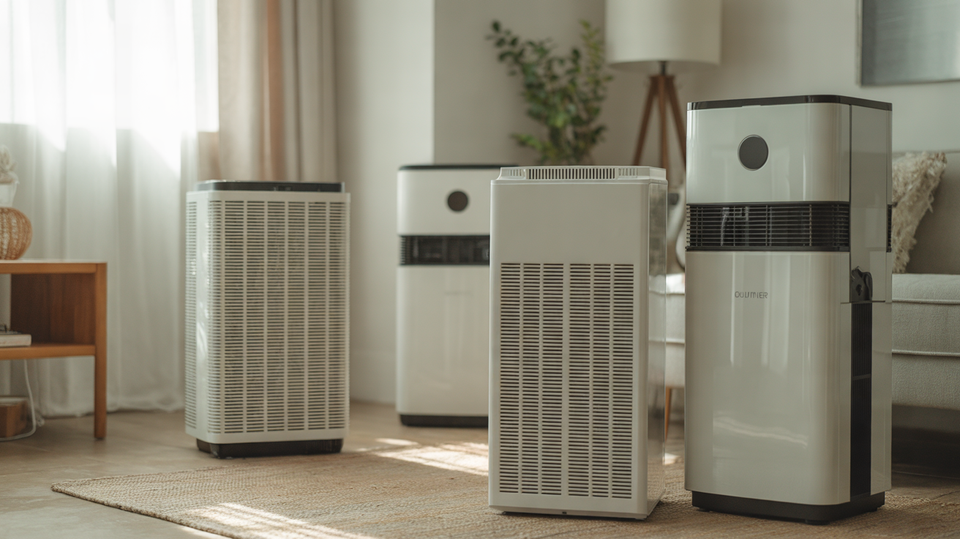
If you’re comparing the 7 Best Hepa Air Filter Machines in 2026, the fastest way to avoid buyer’s remorse is to match the machine’s real coverage, fan noise, and filter type to the room you actually use most. A purifier rated for 1,000+ square feet on turbo can still feel underpowered in a dusty bedroom if you run it on sleep mode all night.
That gap between marketing and daily use is why so many shoppers bounce between models like the FULMINARE H13 True HEPA, MOOKA Large Room, WINIX 5520, VOOPNU, COWAY, and KNKA APH4000. On paper, several look similar. In practice, the right hepa air filter machine depends on whether you need quieter sleep, better smoke capture, pet hair control, or faster air changes in a large open room.
Quick takeaway: the best pick for most people is the unit that can clean at least 1.5x your room size, uses a true HEPA-grade filter, and stays under roughly 30-35 dB in sleep mode if it’s going in a bedroom.
How we select products: Our team reviews products daily, analyzing customer ratings, pricing trends, discount history, and real buyer feedback to surface items that provide the best value. For air cleaners, that means looking closely at room-size claims, filter replacement intervals, long-term owner complaints, and how performance changes outside maximum fan speed.
Which hepa air filter machine is best for bedrooms, pet hair, and large rooms?
The best hepa air filter machine for a bedroom is usually the one you’ll actually leave on for 8 hours straight. That sounds obvious, but user feedback consistently shows that a purifier with bright lights, a whiny motor, or aggressive airflow gets turned off at night, which defeats the point.
For bedrooms, the FULMINARE H13 True HEPA and similar compact models tend to make more sense in smaller spaces because they’re built around quieter overnight use. If your room is under roughly 250-400 square feet, a smaller unit often delivers steadier real-world performance than an oversized machine run inconsistently.
For pet households, the equation changes. Pet hair itself is easy to see, but the bigger problem is dander particles often under 10 microns, which stay airborne longer and require a well-sealed HEPA stage to trap effectively. Models like the MOOKA, VOOPNU, and COWAY are more relevant here because they’re designed for larger coverage and ongoing particle load.
For open living rooms, smoke-prone spaces, or combined kitchen-lounge areas, larger units like the WINIX 5520, COWAY, and KNKA APH4000 stand out because high airflow matters more than ultra-quiet operation. In rooms over 700 square feet, clean air delivery matters more than compact size.
What room size should the 7 Best Hepa Air Filter Machines in 2026 actually cover?
Here’s the number most people miss: manufacturer coverage claims are often based on a single air change per hour at high speed. For allergy relief, many air-quality pros aim closer to 4 to 5 air changes per hour in the room you spend the most time in.
That means you should buy for a room larger than yours on the spec sheet.
Use this shortcut:
- Small bedroom: choose a machine rated for at least 2x your room size
- Average bedroom or office: aim for 1.5x your room size
- Large living room: prioritize the highest airflow model you can tolerate for noise
- Pet-heavy homes: size up one category because filters load faster
- Smoke or wildfire seasons: size up again if windows and doors open frequently
If your bedroom is 180 square feet, a unit claiming 300 to 400 square feet is usually the safer minimum. If your living room is 600 square feet, a machine marketed for 1,000+ square feet will often feel more convincing in daily use than one rated right at 600.
What should you look for in a hepa air filter machine before buying?
The best 7 Best Hepa Air Filter Machines in 2026 aren’t just about raw square footage. You want a machine that performs well after the first week, not one that only looks good in a product card.
1. True HEPA or H13-level filtration
A true HEPA filter is the baseline most buyers should target, especially for pollen, dust, and dander. H13-style filtration gets attention because it’s designed to capture extremely fine particles, which matters if your main trigger is smoke haze or fine indoor dust.
2. Realistic sleep-mode noise
A machine listed as quiet but measured only at its lowest idle setting can still be annoying in real use. For bedside placement, a practical target is under 35 dB on sleep mode, with no high-pitched motor whine or blinking lights.
3. Filter replacement cycle
Most HEPA filters need replacing around every 6 to 12 months, depending on use and indoor air quality. Homes with pets, smoke, or renovation dust can shorten that interval significantly.
4. Pre-filter design
A washable pre-filter matters more than many buyers realize because it catches larger debris first. That can extend HEPA life and keep airflow steadier over time.
5. Auto mode and particle sensing
Auto mode is worth paying attention to in larger models. A purifier with a responsive sensor can ramp up during cooking, vacuuming, or high pollen hours, then scale back to save energy and noise.
6. Light control and bedroom usability
A purifier can have excellent filtration and still be a bad bedroom machine if the panel glows like a nightlight. Check for display-off or sleep-light dimming if overnight use is a priority.
Under which budget range do the 7 Best Hepa Air Filter Machines in 2026 make the most sense?
You don’t need the most expensive model. You need the best fit for your room and air problem.
Entry range: compact rooms and bedside use
This is where smaller bedroom purifiers usually sit. Expect lighter airflow, simpler controls, and better fit for small rooms, dorms, nurseries, or desks rather than open-plan spaces.
Best for: - Single sleepers - Small apartments - Mild dust or seasonal pollen - People who care most about quiet operation
The FULMINARE H13 True HEPA style of unit fits this range best.
Mid-range sweet spot: most homes
This is the range where value usually peaks. You’re more likely to get better sensors, stronger airflow, and enough coverage for a real bedroom or medium living area without jumping into oversized territory.
Best for: - Most bedrooms - Pet owners with one or two animals - Apartment living rooms - Buyers who want auto mode and better all-day performance
The MOOKA, VOOPNU, and some bedroom-to-large-room crossover machines usually land here.
Premium range: large rooms, smoke, and heavier daily use
This is where larger hepa air filter machine models earn their keep. If your priorities are wildfire smoke, kitchen odor drift, bigger family rooms, or keeping particles down across long daily run times, this tier makes more sense.
Best for: - Open-concept homes - Heavy pet dander - Smoke-sensitive households - Rooms above 500-700 square feet
The WINIX 5520, COWAY, and KNKA APH4000 are the kinds of picks that become more compelling here.
Are larger hepa air filter machines worth it for smoke and allergies?
Usually, yes. A larger hepa air filter machine can run on a lower setting and still move enough air, which often means less noise for the same cleaning result.
That matters during allergy season. Pollen counts can stay elevated for hours, and smaller machines often need maximum speed to keep up. Larger units handle this better, especially if doors open often or the room connects to hallways and kitchens.
For smoke, the difference is even clearer. Fine combustion particles are smaller and more persistent than visible dust, so higher airflow plus a sealed HEPA stage tends to produce more noticeable relief.
💡 Did you know: Indoor air can contain particle spikes 5 to 10 times above baseline during cooking events like frying or broiling. That’s one reason many people think their purifier “doesn’t work” in the kitchen area—it may simply be too small for the burst load.
What do real reviews reveal about the 7 Best Hepa Air Filter Machines in 2026?
Review patterns are surprisingly consistent across this category.
The happiest buyers usually mention three things: quieter sleep, less visible dust on surfaces after 1-2 weeks, and fewer morning allergy symptoms. The most common complaints are also predictable: replacement filters cost more than expected, coverage claims feel inflated, and turbo mode is too loud for all-day use.
Watch for these review red flags:
- Repeated complaints about weak airflow even on high
- Owners saying it works only in very small rooms
- Reviews mentioning bright lights that can’t be turned off
- Frequent comments about filter replacement every few months
- Claims that the machine helps with odor but not with fine dust or dander
A useful shorthand: if a unit gets praised mainly for design, lighting, or “fresh smell,” but not for dust reduction or allergy relief, treat it cautiously.
How do HEPA machines compare with a negative air machine with hepa filter?
A standard home purifier and a negative air machine with hepa filter are not the same tool. Home models recirculate and clean room air for comfort and allergen control, while negative-air systems are typically used for containment in restoration, construction, or remediation environments.
Here’s the plain-English difference:
- Home hepa air filter machine
- Best for bedrooms, living rooms, pets, smoke, pollen
- Designed for everyday noise levels
- Usually more compact and easier to live with
- negative air machine with hepa filter
- Best for renovation dust, mold containment, or jobsite control
- Often louder and more industrial
- Built to create pressure differences, not just improve comfort
If you’ve searched for hepa filter for negative air machine, hepa filter negative air machine, or negative air machine hepa filter, you’re probably crossing over from consumer air purifiers into restoration-grade equipment. For normal household use, that’s usually overkill unless you’re actively dealing with renovation debris or a containment setup.
For broader purifier comparisons beyond this page’s ranked list, you can also check Onrender.
Which model type fits your home best if you have pets, dust, or wildfire smoke?
You’ll get better results by matching the machine to the pollutant, not just the room size.
Best type for pet dander
Choose a larger-capacity purifier with a strong pre-filter and steady medium-speed airflow. Pet homes load filters faster, so easy maintenance matters as much as HEPA efficiency.
Best type for dust
Dust is easier to trap than smoke, but it settles and gets kicked back up constantly. A purifier with good circulation works best when placed 3 to 6 feet from the bed or sofa, not hidden in a corner behind furniture.
Best type for wildfire smoke
Smoke needs both airflow and fine-particle capture. This is where larger units like the WINIX 5520, COWAY, or KNKA APH4000 usually justify their size better than compact bedroom models.
Best type for light sleepers
Prioritize sleep mode, display-off controls, and less turbulent airflow. A slightly oversized bedroom unit running low is often quieter than a compact one working hard.
Pro tip: run your purifier on high for 30 to 60 minutes before bed, then switch to sleep mode overnight. That simple routine often delivers better bedroom air than leaving a small unit on low all day.
Where should you place a hepa air filter machine for the best results?
Placement can make a good machine feel average or excellent.
Use these placement rules: - Keep at least 12 to 18 inches of clearance on intake sides - Don’t wedge it behind curtains, nightstands, or couches - Put bedroom units closer to your breathing zone than the doorway - Place pet-area purifiers near the room where shedding happens most - In smoke events, keep windows closed and run the purifier continuously
If you’re researching other product review ecosystems and credibility signals, resources like site report can be useful for understanding how review transparency is discussed online. For unrelated deal-hunting examples and editorial structures, you might also see Writeas, this guide, Sidsprojectimpact, the full story, or visit site for comparison of how different niches present buyer guidance.
Frequently Asked Questions
how often should i replace a hepa air filter machine filter?
Most filters last 6 to 12 months, but pet hair, smoke, and heavy dust can shorten that to 3 to 6 months. If airflow drops, odors linger longer, or the filter looks gray and packed, replacement is usually due even if the timer hasn’t triggered yet.
what is the best hepa air filter machine for allergies?
For allergies, the best choice is usually a purifier with true HEPA filtration, quiet overnight operation, and coverage at least 1.5x your room size. In practice, an oversized bedroom unit often reduces pollen and dust symptoms better than a small purifier pushed to its limit.
is a bigger hepa air filter machine worth it for a bedroom?
Yes, if you run it on lower speeds. A bigger unit can clean the air faster before bed and then stay quieter overnight, which is why many allergy sufferers prefer an oversized machine in the bedroom.
can a hepa air filter machine help with pet smell and dander?
It helps most with dander and airborne particles, and it can reduce odor indirectly when paired with carbon filtration. It won’t stop shedding, but it can noticeably cut the fine allergens that trigger sneezing, itchy eyes, and dusty buildup around pet areas.
what is the difference between a home purifier and a negative air machine hepa filter setup?
A home purifier is made for everyday indoor air cleaning, while a negative air machine hepa filter setup is built for containment during renovation, remediation, or restoration work. If you just want cleaner air for sleep, pets, or smoke, a standard home HEPA purifier is usually the better and quieter fit.