In this guide
How we picked
We included Level 2 charging stations sold for home use and checked published specs readers can verify: amperage, hardwired vs plug-in setup, connector type, cable length, NEMA rating, smart features, warranty, and price. We prioritized models with clear installation requirements and outdoor-use ratings.
The best picks, ranked
EVIQO Level 2 EV Charger J1772 48A - Hardwired 240V Wall Charging Station | up to 50 mph,…

ChargePoint HomeFlex Level 2 EV Charger J1772 - NEMA 14-50 Plug | Fast Smart Battery Powe…

EVIQO Level 2 EV Charger J1772 40A NEMA 14-50 - 240V Wall Charging Station | Plug in, up…

IYILO Level 2 EV Charger, 48Amp/11.5KW/240V, UL 2594, ETL & Energy Star | J1772 Wall EV C…

EMPORIA Pro Level 2 EV Charger with PowerSmart - 48 amp Fast EV Charger for Home with Har…

EVDANCE Level 2 EV Charger 40Amp, 240V 9.6KW Portable Electric Vehicle Charging Stations…

Tesla Level 2 Charger NACS 48A - Hardwired 240V Wall Level 2 EV Charger | Tesla home char…

If you’re comparing a charging station level 2 setup for home, the 7 Best Level 2 Charging Stations in 2026 all solve the same basic problem: they cut charging time from a sluggish 3–5 miles of range per hour on Level 1 to roughly 20–40+ miles per hour on a 240V circuit, depending on amperage and your vehicle’s onboard charger.
That difference is the reason most EV owners stop thinking about public charging for day-to-day driving. A properly matched level 2 charging station home setup can refill a typical daily commute overnight, avoid peak public charging rates, and reduce battery-top-off anxiety during cold weather.
Because the ranked list is already above, this guide focuses on the part most buyers still struggle with: which use case fits which charger, what specs actually matter, what installation problems show up most often, and how to avoid buying more charger than your panel, vehicle, or parking layout can use.
Which of the 7 Best Level 2 Charging Stations in 2026 is right for your garage, driveway, or shared parking spot?
The best choice depends less on marketing claims and more on three constraints: your circuit size, your connector standard, and where the charger will physically live.
Here’s the simplest way to think about the 7 Best Level 2 Charging Stations in 2026 already listed above:
- Best for maximum home speed: units that support 48A hardwired charging, if your panel and vehicle can use it
- Best for simpler installation: plug-in 40A chargers using a 240V outlet
- Best for energy monitoring: smart chargers with load data, scheduling, and utility-rate integration
- Best for weather exposure: chargers with stronger enclosure ratings and flexible cold-weather cables
- Best for mixed households: chargers that work cleanly with J1772 or NACS depending on the vehicles you own
- Best for renters or future movers: portable-style Level 2 units you can unplug and relocate
That’s why the “best level 2 charging station” isn’t one universal pick. The right answer changes fast if you have a detached garage, an older 100-amp panel, a long truck driveway, or a second EV arriving next year.
What does a charging station level 2 actually mean for daily charging speed?
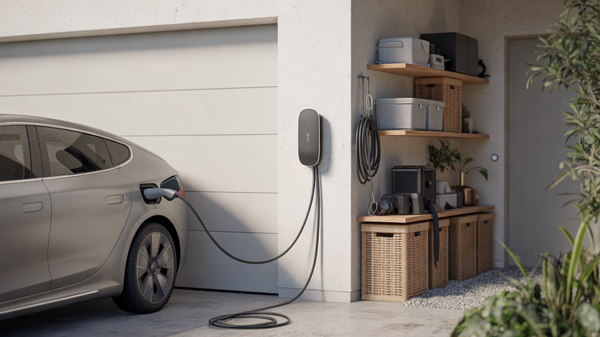
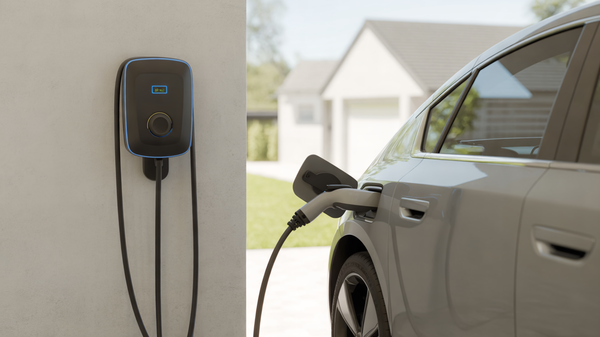
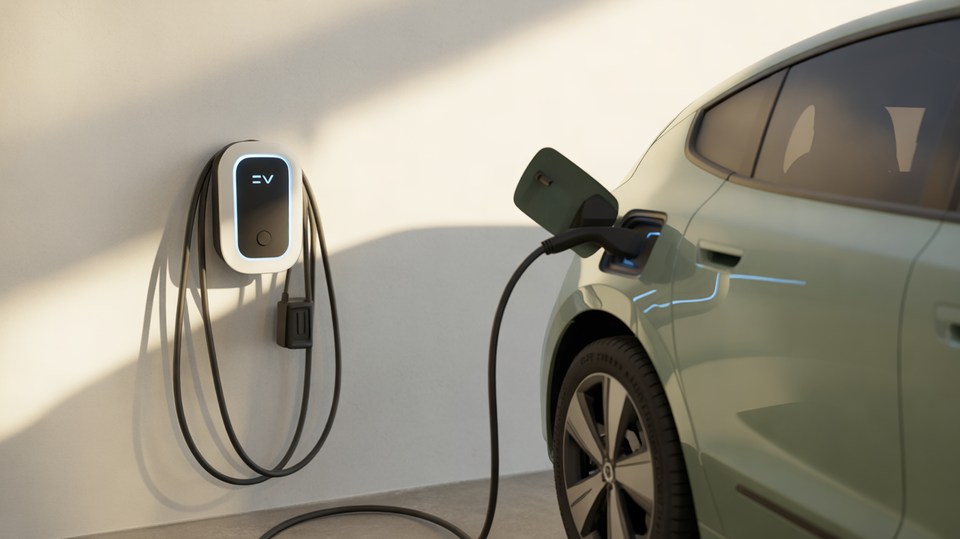
A level 2 ev charging station uses 240-volt power, the same class of electrical service commonly used for dryers or ovens. Compared with Level 1 charging from a regular 120V outlet, it delivers dramatically more power and typically cuts charging time by 60% to 80%.
If you’ve searched what is a level 2 ev charging station or what does level 2 charging station mean, here’s the plain-English answer: it’s the standard home fast-charging option for electric vehicles, usually delivering 16A to 48A and around 3.8 kW to 11.5 kW depending on circuit size and setup.
A few real-world examples help:
- A 32A unit may add roughly 20–25 miles of range per hour
- A 40A unit often adds around 25–30 miles per hour
- A 48A hardwired charger can reach roughly 30–40+ miles per hour
- Your actual result depends on battery size, temperature, vehicle efficiency, and onboard charging limits
That last point matters more than most product pages admit. If your EV only accepts a lower AC charging rate, upgrading to a higher-output electric vehicle level 2 charging station won’t always make charging faster.
7 Best Level 2 Charging Stations in 2026: which type makes the most sense by budget?
You asked for budget clarity, and that’s smart, because a level 2 home charging station cost is only half the story. Installation can equal or exceed the hardware cost if your panel is full, your run is long, or trenching is required.
Entry range: plug-in units for the lowest installation friction
This is usually the sweet spot for buyers who already have, or can easily add, a 240V receptacle near the parking spot.
What you typically get: - 32A to 40A charging - Lower electrician labor than hardwiring in some homes - Easier replacement if the unit fails - Simpler portability if you move
This category works well for many level 2 charging station home buyers because most commuters drive under 50 miles per day, and even a moderate-output charger can recover that in a few hours.
Mid-range: smart chargers with app control and scheduling
This is where many of the 7 Best Level 2 Charging Stations in 2026 become the practical long-term value picks.
What you usually gain: - Scheduled charging for off-peak utility rates - Session history and energy tracking - Load management features on some models - Better notifications for fault detection or charging completion
If you care about cost-per-mile, this bracket often delivers the biggest ownership benefit. A smart ev charging station level 2 can shift charging to overnight rates, which can save meaningful money over a year if your utility has time-of-use billing.
Premium range: hardwired 48A units and advanced power features
Premium units make sense when your home and vehicle can fully use them.
They’re strongest for: - Higher daily mileage - Larger battery packs - Two-EV households - Future-proofing before your next vehicle upgrade
That said, the jump from 40A to 48A isn’t always life-changing. For many drivers, the difference is just a couple of overnight hours per week, not a dramatic quality-of-life change.
What should you look for in a level 2 charging station before you buy?
If you only compare peak amperage, you’ll miss the specs that cause most buyer regret. A better checklist starts with how the electric vehicle charging station level 2 will behave in your actual parking setup.
1. Match charger output to your circuit, not your wishlist
A 48A charger usually requires hardwiring on a 60A circuit. A 40A charger commonly works with a 50A circuit.
If your electrical service can’t support that safely, paying for the bigger unit gets you no practical benefit. This is the first filter I’d use for any level 2 electric vehicle charging station.
2. Check connector standard first if your household may change vehicles
The wrong connector choice creates adapter clutter and future compatibility headaches. For mixed households, think one vehicle today, another in two years.
This is especially relevant with the models already listed above, since some use J1772 and one is built around NACS. If you’re unsure how connector ecosystems are changing, Wpcrux oddly illustrates a useful point from another tech category: hardware convenience often matters less than long-term compatibility and update support.
3. Cable length and stiffness matter more than most reviews admit
A charger mounted on the wrong wall with a short or rigid cable becomes annoying every single day. In winter, some cables get noticeably less flexible below freezing, especially if your home level 2 charging station is installed outdoors.
Look for: - Enough length to reach either side of the car - A cable management hook or holster - Cold-weather usability if you live below freezing for long stretches
4. Outdoor durability is not optional for driveway installs
An ev level 2 charging station mounted outdoors should have a weather-resistant enclosure and a plug/cable design that won’t trap water or dirt easily.
This sounds obvious, but driveway users see more failures from exposure, impact, and cable abuse than garage users do.
5. Smart features are worth it only if you’ll use them weekly
App control sounds great, but the features that actually matter are narrow: - Scheduled charging - Utility-rate timing - Power monitoring - Fault alerts - Shared load support if adding a second charger later
If you never check your charging data, a basic unit may be enough. If you track energy costs, a smart level 2 electric car charging station can pay you back in convenience quickly.
6. Certifications and warranty terms are a hard filter
For a level 2 charging station installation, safety certification is non-negotiable. Look for recognized electrical testing marks and warranty coverage of at least 3 years, with clear support channels.
A charger mounted permanently on a 240V circuit isn’t the place to gamble on vague documentation or weak support.
Which of the listed chargers fits your real-world use case best?
The picks above span different types of EV owners, and that’s exactly how you should shop.
For commuters driving 30 to 60 miles a day
A 40A plug-in level 2 charging station is often the best balance. It’s fast enough to fully recover a normal workday’s driving overnight, and it usually avoids the added complexity of a top-output hardwired install.
For larger EVs, longer commutes, or faster overnight recovery
A 48A hardwired electric vehicle level 2 charging station makes sense if: - Your vehicle can accept the extra AC power - Your panel can support the load - You regularly need the extra overnight speed
This is where the top tier among the 7 Best Level 2 Charging Stations in 2026 earns its keep.
For renters, movers, or households in transition
A portable or outlet-based level 2 electric vehicle charging station is easier to relocate. That flexibility matters if you expect to change homes before the charger reaches the end of its service life.
For data-focused homeowners
Some buyers want energy history, charging schedules, and utility optimization more than raw speed. If that’s you, prioritize software reliability over brag-sheet amperage.
For broader charging ecosystem context, readers comparing other charging formats sometimes also look at best wireless charging pads 2026, but EV charging is far less forgiving about power delivery, thermal limits, and installation quality.
What review patterns signal a good level 2 charging station versus a risky one?
Buyer reviews tend to repeat the same failure points, and they’re surprisingly consistent across the category.
Green flags that usually indicate a solid buy
- 4.3+ star average sustained across a large review base
- Repeated mentions of reliable scheduling and stable Wi‑Fi behavior
- Positive comments about cable flexibility in cold weather
- Clean electrician feedback on wiring terminals and enclosure access
- Multiple owners reporting stable operation after 6 to 12 months
Red flags that deserve extra scrutiny
- Frequent reports of nuisance faults after rain or heat waves
- Complaints that the cable is too stiff to coil easily
- App pairing problems that never get fixed by firmware updates
- Repeated mention of derating, overheating, or breaker trips
- Sparse documentation around amperage settings or hardwire requirements
A good example from adjacent product categories is how shoppers use pattern recognition, whether they’re browsing EV gear, books on Topdealsnet, or technical career resources like this guide. The specific product changes, but consistent review complaints still reveal the real ownership experience.
💡 Did you know: On a continuous electrical load like EV charging, a charger is typically limited to 80% of breaker capacity. That’s why a 48A charger usually needs a 60A circuit, not a 50A one.
How much does level 2 charging station installation usually add to the total cost?
This is where many shoppers underestimate the project.
A straightforward level 2 charging station installation near the electrical panel is usually far cheaper than an install that needs: - Long wire runs - Wall repair - Conduit across finished spaces - Panel upgrades - Trenching to a detached garage or outdoor pedestal
For most homeowners, total project cost falls into one of three patterns:
- Simple install: existing panel capacity, short run, nearby parking
- Moderate install: new breaker plus longer cable/conduit path
- Complex install: service upgrade, subpanel work, or detached structure routing
If you’re searching level 2 charging station near me, you’re usually at the point where getting two or three electrician quotes matters more than comparing one extra software feature.
You’ll also see some owners pair EV charging planning with backup power research from sources like bloggerhives.blogspot.com. That’s useful context, but don’t confuse portable battery backups with the dedicated wiring a permanent level 2 charging station needs.
How do you avoid overspending on the 7 Best Level 2 Charging Stations in 2026?
The most expensive charger is often not the best fit. The smartest buy is the one that fully uses your home’s electrical capacity without forcing an unnecessary panel upgrade.
Use this shortcut:
- Buy 48A hardwired only if your EV can benefit and your panel supports it
- Buy 40A plug-in if you want easier installation and enough speed for normal commuting
- Prioritize cable length and weather resistance for outdoor parking
- Prioritize software and energy scheduling if utility rates vary by time of day
- Skip premium features you won’t open after week one
If you want external context on how buyers compare highly specific gear across categories, you’ll sometimes spot odd research trails like www.google.com.vn or market-data pages like visit site. For EV charging, though, your decision should come back to amperage, installation complexity, connector fit, and cable usability.
The single most important decision criterion is this: match the charger to your electrical capacity first, then your car, then your convenience features. If those three line up, nearly any model in the 7 Best Level 2 Charging Stations in 2026 can deliver a smooth overnight charging routine.
Frequently Asked Questions
what is a level 2 ev charging station
A level 2 ev charging station is a 240-volt charger that delivers much faster charging than a standard 120V wall outlet. Most home units provide roughly 3.8 kW to 11.5 kW, which usually translates to about 20 to 40+ miles of range per hour.
what is level 2 charging station
A level 2 charging station is the common home and workplace charging option for EVs that uses 240V power. It charges significantly faster than Level 1 and is the practical choice for drivers who want to refill daily mileage overnight.
how much does a level 2 charging station cost
The charger itself usually falls into a broad range from entry-level plug-in models to premium hardwired smart units, with installation adding a separate cost that can be equal to or higher than the hardware. The final total depends most on amperage, wiring distance, and whether your panel needs upgrades.
how to install level 2 charging station
To install level 2 charging station equipment, you typically need a dedicated 240V circuit sized for the charger’s continuous load, plus either a receptacle or hardwired connection. Most homeowners should use a licensed electrician, because breaker sizing, wire gauge, and local code compliance directly affect safety and insurance coverage.
how much to install level 2 charging station
The cost to install a level 2 electric car charging station varies widely based on how close the charger is to the panel and whether new conduit, trenching, or service upgrades are required. A short, simple garage install is usually far cheaper than adding a charger to a detached garage or upgrading an older electrical panel.