In this guide
How we picked
We included vehicle seat covers you can buy now and checked whether each offers universal or custom fit, compatible seat and airbag coverage, and clear material details such as neoprene, leatherette, or polyester. We also compared machine-washability or wipe-clean care, attachment method, color options, warranty, and current price.
The best picks, ranked
Girlfriend Passenger Seat Sticker - Pink Vinyl Car Window Decal

Skechers Memory Foam Seat Covers, Air Cool Mesh Thick Car Seat Covers, Car Seat Covers Fr…

CAR PASS Waterproof Car Seat Covers Front Seats Only with 5mm Composite EVA, Neoprene Car…

CAR PASS Faux Leather Car Seat Covers Front Seats Only, 3D Foam Support Car Seat Covers,…

Meolsaek Car Seat Protector for Child Car Seat,Non-Slip Backing No Imprints | Durable Car…

Coverado Seat Covers, Car Seat Covers Full Set, Black Car Seat Cover, Car Seat Covers Fro…

PETICON Waterproof Front Seat Car Cover 2 Pack, Full Protection | Dog Car Seat Cover with…

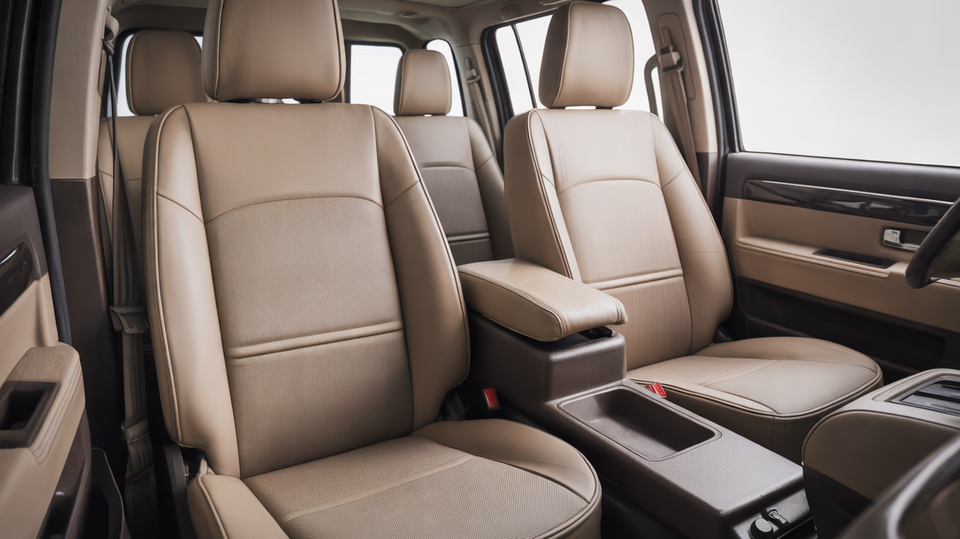
A vehicle seat cover can save a factory seat from years of sweat, pet claws, sunscreen stains, and child-seat pressure marks—and that matters more than most drivers realize. In used-car marketplaces, visible seat wear is one of the first interior flaws buyers notice, and even a clean vehicle can look tired if the seat bolsters are cracked, sagging, or permanently stained.
That’s why 7 Best Vehicle Seat Covers in 2026 isn’t just a shopping topic; it’s a comfort, durability, and resale-value decision. Below, you’ll get the practical advice most shoppers actually need after the ranked list: which cover style fits your use case, what separates a good fit from a return-worthy one, and which warning signs in reviews usually predict disappointment.
How we select products: Our team reviews products daily, analyzing customer ratings, pricing trends, discount history, and real buyer feedback to surface items that provide the best value.
Which vehicle seat cover style works best for your daily driving?
The best seat cover for vehicle use depends less on “luxury” and more on what happens in your cabin every day. A commuter who drives 90 minutes in summer traffic needs a different cover than a parent installing a child seat or a rideshare driver getting in and out 30 times a day.
Here’s the simplest way to match cover type to real-world use:
- Mesh and airflow-focused covers
- Best for hot climates and long commutes
- Usually feel cooler after 20+ minutes of driving
- Often pair well with seats that already run warm
- Good example from the list: Air Cool Mesh Thick Car Seat Covers
- Memory foam or padded comfort covers
- Best if your factory seat feels flat or thin
- Add pressure relief for hips and lower back
- Usually help most on drives over 45 minutes
- Good example from the list: Skechers Memory Foam Seat Covers
- Waterproof or pet-focused covers
- Best for muddy clothes, gym gear, wet swimsuits, and dogs
- Easier to wipe down than cloth-heavy options
- Great if you’ve searched dog seat cover for vehicle
- Good examples from the list: PETICON Waterproof Front Seat Car Cover 2 Pack and CAR PASS Waterproof Car Seat Covers Front Seats Only with 5mm Composite EVA
- Faux leather or stitched full-set covers
- Best if you want a cleaner, upgraded interior look
- Usually easier to vacuum than textured fabric
- Better for drivers prioritizing appearance over breathability
- Good examples from the list: Coverado Seat Covers, Car Seat Covers Full Set and CAR PASS Faux Leather Car Seat Covers Front Seats Only
- Child-seat protectors
- Best for preventing permanent indentations and scuff marks
- Useful under booster seats and infant seat bases
- Good example from the list: Meolsaek Car Seat Protector for Child Car Seat
If you want one clear rule, here it is: drivers who care most about comfort should prioritize padding and airflow, while drivers who care most about cleanup should prioritize waterproof surfaces and edge coverage.
7 Best Vehicle Seat Covers in 2026: what matters more than the ranking itself?
A ranked list is helpful, but fit and use case determine whether one of the 7 Best Vehicle Seat Covers in 2026 actually works in your car. The same cover can feel excellent in a compact commuter and frustrating in a wide SUV seat with aggressive bolsters.
Focus on these fit realities first:
Front-only covers are usually the safest first purchase
If you’re testing a new material, front-seat sets are lower risk. They’re easier to install, easier to remove for cleaning, and they let you judge whether the texture, heat retention, and side coverage work for your body before you commit to a full cabin set.
That’s one reason front-only options keep selling so well. They solve the highest-contact seating area first.
Full-set covers look more uniform, but fit issues multiply
A full set can transform an interior visually, especially if the rear bench gets regular passenger use. But rear-seat cutouts, split-fold functions, armrests, and latch access create 3 to 5 extra failure points compared with a simple front-seat install.
If rear functionality matters, check whether the bench still folds properly after installation. That detail causes more complaints than color mismatch.
Thick padding helps, until it interferes with the seat shape
Extra foam sounds great on paper. In practice, thick padding works best on flatter seats and can bunch on deeply contoured sport seats.
The sweet spot for many drivers is moderate cushion plus a secure anchor system. If the cover shifts every time you exit the car, comfort gains disappear fast.
What should you look for before buying a vehicle seat cover?
If you only scan one section, make it this one. These are the criteria that separate a keeper from a hassle.
1. Check airbag compatibility first
Modern front seats often contain side airbags. Your vehicle seat cover should clearly state compatibility with airbag-equipped seats and avoid blocking deployment zones.
If that information is vague, skip it. This is the one feature you should never “assume” is fine.
2. Look for stable attachment points, not just elastic promises
Covers that rely only on loose straps and thin hooks tend to slide after a week or two. Better-performing designs usually combine anchors, underside straps, and anti-slip backing.
A secure base matters even more if you drive a truck, SUV, or anything with a taller step-in height where you slide across the seat edge.
3. Match the material to your climate
Material choice changes comfort more than color ever will:
- Mesh: best for hot, humid weather
- Faux leather: easiest to wipe down, but can feel warmer
- Neoprene-style materials: solid for water resistance, sometimes less breathable
- Memory foam tops: best for pressure relief, but can retain more heat
If you’ve been comparing car interiors the way people compare mattresses on Topdealsnet, you’re thinking in the right direction: barrier protection and comfort both matter, but the wrong top layer changes day-to-day feel dramatically.
4. Pay attention to edge coverage
A cover that protects only the center panel leaves the outer bolster exposed—the exact spot that wears first from entering and exiting the vehicle. The best designs wrap enough of the side area to reduce friction damage where your jeans, belt, or bag hit every day.
This is especially important in vehicles used for commuting 5 or more days per week.
5. Review install time honestly
If a listing makes installation look like a 2-minute task, be skeptical. In real cars, a front-seat install often takes 10 to 25 minutes per seat, especially if you’re routing straps around rails or adjusting for power seat controls.
That’s still worth it, but realistic expectations prevent frustration.
6. If you use heated seats, confirm material compatibility
A vehicle heated seat cover adds another layer to the decision. Some covers work fine over heated seats, but thick foam or insulated materials can reduce how quickly you feel the warmth.
The best answer to is a vehicle heated seat cover worth it is this: it’s worth considering only if your existing seat lacks heat or warms unevenly. If your factory heated seats already perform well, a breathable compatible cover usually makes more sense than adding another heating layer.
7 Best Vehicle Seat Covers in 2026 by budget: where the real value sits
Most shoppers don’t buy by abstract ranking—they buy by budget range. That’s where value becomes clearer.
Budget-friendly picks: best for basic protection and messy use
At the lower end, you’re usually choosing function over cabin makeover. These covers make the most sense if your main goal is shielding seats from sweat, pet hair, food spills, or work clothes.
Best use cases in this bracket:
- Dog transport and weekend trips
- Gym commuters
- Older vehicles where preserving the seat matters more than matching the interior
- Drivers searching vehicle seat cover near me because they need a quick solution
For pet owners, the strongest budget value is typically a waterproof front protector. A true dog seat cover for vehicle setup should resist claw snags, wipe clean quickly, and stay in place during turns.
Mid-range sweet spot: the best balance for most drivers
This is usually where comfort, fit, and appearance finally meet. You get better stitching, more stable attachment systems, and materials that don’t feel cheap after a month.
For most buyers, the smartest move in 7 Best Vehicle Seat Covers in 2026 is a mid-range front pair or a well-reviewed full set with verified fit notes. That gives you the highest odds of satisfaction without paying mainly for styling.
Premium range: best if interior appearance is a priority
Premium covers usually justify themselves with better contouring, stronger surface finish, and cleaner-looking seams. They’re most valuable if you care about presentation—rideshare driving, client transport, or simply wanting the cabin to look newer than it is.
If your goal is “make the interior feel upgraded,” this is where faux leather and tailored full-set designs start to earn their keep.
What review patterns predict a bad seat cover experience?
Review sections tell the truth fast if you know what to look for. Across seat cover categories, the same complaint clusters show up again and again.
Red flag #1: “Looks great, but slides every day”
This is the most common deal-breaker. If multiple reviewers mention readjusting the cover after every drive, the comfort score doesn’t matter—the product will annoy you.
A shifting cover also speeds up wear because friction increases at the same pressure points it was supposed to protect.
Red flag #2: “Universal fit” that clearly isn’t universal
“Universal” often means “fits adequately on many seats, perfectly on few.” If your vehicle has integrated headrests, aggressive side bolsters, or seat-mounted controls, generic sizing becomes much riskier.
That’s why shoppers often search vehicle seat cover shop near me before buying. They want to physically compare width, backing texture, and strap layout instead of guessing from listing photos.
Red flag #3: Heat buildup after 30 minutes
Breathability complaints matter more than first impressions. A cover can feel soft in the driveway and still become sweaty on a real commute.
If you drive in warm states or sit in stop-and-go traffic, airflow matters more than plushness. That’s where mesh styles usually beat heavily padded solid-surface designs.
Red flag #4: Child-seat and pet use exposing weak seams
Families reveal durability problems quickly. Tight car-seat installation and dog movement create concentrated stress that light-duty stitching can’t handle.
For households mixing pets, kids, and gear, reinforced waterproof designs usually outperform decorative covers by a wide margin.
💡 Did you know? The outer seat bolster typically wears faster than the seat center because it absorbs repeated side-loading every time you enter and exit. If a cover leaves that area exposed, you’re protecting the least vulnerable part of the seat.
Are custom, bench, crochet, or specialty seat covers actually worth it?
Not every shopper wants a standard front-seat protector. Search behavior shows plenty of interest in niche styles too.
Custom and bench-seat setups
If you drive an older truck or a vehicle with a continuous rear or front bench, terms like custom covers saddle blanket vehicle bench seat cover show up for a reason. Bench layouts need better width coverage and cleaner cutouts than many universal sets can provide.
These specialty covers can be worth it if: - Your seat shape is unusual - You need full-width coverage - You’re tired of bunching in the center position - You regularly fold or slide sections and need access preserved
Crochet and decorative covers
Searches for crochet vehicle seat cover and crochet vehicle seat cover pattern are real, but they serve a very different goal. Crochet styles are more about appearance and handmade personality than serious spill protection or abrasion resistance.
If you’re considering them, use them as a decorative top layer in low-mess situations—not as your main defense against pets, moisture, or child-seat compression.
For readers who enjoy comparing how coverings affect comfort in other seating categories, this home theater seating options 2026 resource shows a similar pattern: surface texture changes long-session comfort more than people expect.
How do you install a vehicle seat cover so it doesn’t wrinkle, bunch, or fail?
A rushed install is the reason many decent covers get bad reviews. The product gets blamed, but the setup often caused the issue.
Follow this order:
- Vacuum the seat first.
- Dust and grit reduce grip, especially on anti-slip backing.
- Center the cover on the seatback before tightening anything.
- If you start tightening while it’s crooked, the whole cover twists.
- Secure lower anchors before side straps.
- That keeps tension balanced.
- Test seat movement and controls immediately.
- Slide the seat through its full range and check recline access.
- Sit in it for 5 minutes, then retighten.
- Materials settle after body weight compresses them.
This same “fit before final tension” logic shows up in unrelated product categories too, whether it’s a thick padded ironing board cover explained or luggage placement discussions on Sampleproposal. Surface coverings always perform better when the base shape is matched correctly first.
For unusual aftermarket material references and manufacturing examples, you may also go to page or check source, though for actual buying decisions, fit notes and user photos remain more useful than technical novelty.
Where should you buy a vehicle seat cover: online or local?
If you need immediate protection, local shopping wins on speed. Searches like vehicle seat cover near me and vehicle seat cover shop near me usually come from drivers dealing with a new pet, a spill-prone job, or recently damaged upholstery.
That said, online listings usually give you two advantages: - More user photos showing real-world fit - Better access to long-tail styles like bench covers, child-seat protectors, and niche patterns
If you’re comparing broader auto-ownership costs, EV incentives, and interior add-ons, https://learniverse.writeas.com covers a related budgeting angle. For seat covers specifically, though, your single best filter is still use case first, material second, style third.
The most actionable recommendation is simple: buy the cover that matches your mess source. If your problem is heat, prioritize airflow; if your problem is pets or kids, prioritize waterproof coverage and secure anchors; if your problem is appearance, choose the cleanest-fitting full set you can install properly.
Frequently Asked Questions
what is the best vehicle seat cover material for hot weather?
The best material for hot weather is usually mesh or other breathable fabric because it allows airflow and reduces that sticky, trapped-heat feeling on longer drives. Thick foam and solid faux leather can feel warmer after 20 to 30 minutes, especially in humid climates.
how to install a seat cover for vehicle without it sliding?
Start by centering the cover, securing the bottom anchors first, and tightening straps only after the material sits flat across the seatback and cushion. A cover with anti-slip backing and multiple anchor points is far less likely to shift than one held mainly by elastic loops.
is a dog seat cover for vehicle worth buying if I only drive with my dog on weekends?
Yes, if your dog sheds heavily, drools, or jumps into the front seat, a pet-focused waterproof cover is usually worth it even for weekend use. It cuts cleanup time, protects the seat edges from claw wear, and prevents odors from settling into cloth upholstery.
are universal vehicle seat covers actually a good fit?
Universal covers can work well on standard seat shapes, but they rarely fit every vehicle perfectly. They tend to perform best on simpler seat designs and can struggle with aggressive bolsters, integrated headrests, and unusual control placements.
should I buy a vehicle heated seat cover or a regular cover?
Choose a vehicle heated seat cover only if your vehicle doesn’t already provide enough warmth or your seat heats unevenly. If your factory heated seat already works well, a regular breathable cover is often the better buy because it preserves comfort without adding bulk.