In this guide
How we picked
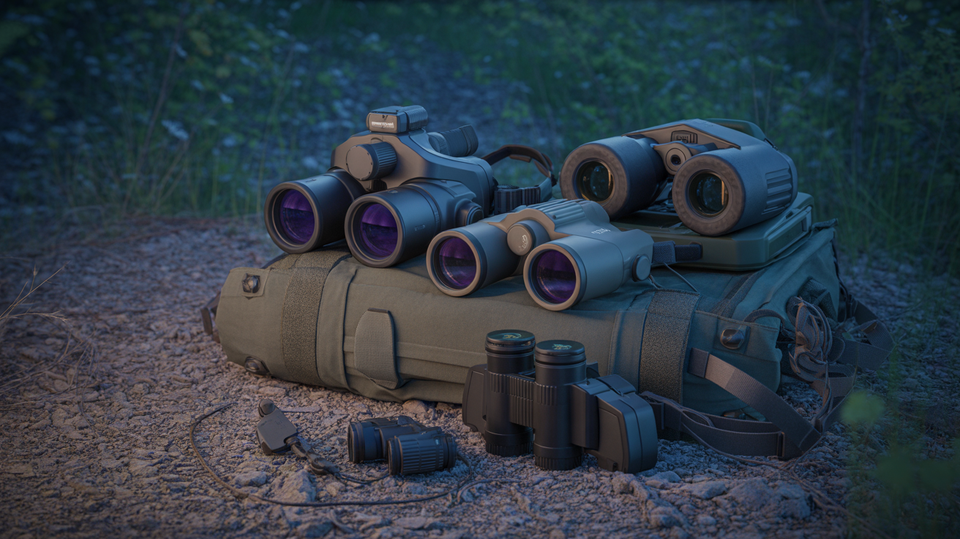
We included buyable night vision goggles and binoculars sold by established retailers or manufacturers. We compared stated magnification, infrared illuminator range, battery type or runtime, recording support, weight, weather resistance, and current price.
The best picks, ranked
Vtiisamao Night Vision Goggles, 4K Night Vision Binoculars for Adults | 3" HD Display, 50…

4K Night Vision Goggles for Adults, 10000mAh Battery, 128GB TF Card | WiFi Remote View, 4…

- Wi-Fi phone control and playback
- 10000mAh battery, 128GB TF
- IP65 rated with tripod mount
4K Night Vision Goggles for Adults, 20000mAh Battery, 128GB TF Card, Black | WiFi Remote…

- 20000mAh battery, 128GB TF
- Up to 16X on 4.5" IPS display
- 5.8GHz WiFi with app control
3D Head-Mounted Night Vision Goggles White Light Supplemental Lighting Infrared Night Vis…

- Naked-eye 3D dual-screen view
- Wearable with headband mount
- 8x optical zoom, 4K video
AKASO Seemor-200 Night Vision Goggles - 4K Full Color Night Vision Binoculars for Adults,…

- AI-ISP full-color night vision
- Clear vision up to 3280ft
- IPX5 with gyroscope, compass
VisioGear 4K Night Vision Goggles for Adults - Night Thunder X3 | Night Vision Binoculars…

- AI Color Boost Mode
- Up to 1,384 ft with 8X zoom
- Protective EPP case included
4K Night Vision Binoculars with WiFi, 112MP Infrared Night Vision Goggles | 12X Zoom, 150…

- WiFi live view to smartphone
- 112MP photos and 4K video
- Motion detection auto-recording
If you’re comparing night vision goggles and binoculars in 2026, the biggest surprise is how fast the gap has widened between “looks good on the box” models and units that actually let you identify a deer, coyote, or trespasser past 100 yards. On paper, many now promise 4K video, 8X to 12X zoom, and giant batteries. In real use, image processing speed, infrared performance, and screen quality matter far more than the headline number.
That’s why the 7 Best Night Vision Goggles and Binoculars in 2026 isn’t really just about a ranked list. It’s about knowing which features change your results in the field, which settings fix washed-out footage, and which review patterns predict disappointment before you buy.
Because the ranked products are already listed above, this guide focuses on the part most buyers still struggle with: choosing the right night vision binoculars and goggles for your specific use case, understanding the trade-offs, and avoiding the specs that look impressive but underperform after dark.
Quick takeaway: For most people in 2026, the best night vision binoculars and goggles are digital models with IR adjustment, 3-inch display, onboard recording, 8X or higher digital zoom, and a battery capacity large enough for 4+ hours of active nighttime use.
Which of the 7 Best Night Vision Goggles and Binoculars in 2026 is best for your use case?
The right pick depends less on “best overall” and more on where you’ll use it. A hunter scanning tree lines at 150 yards needs different strengths than a camper checking a trail at 40 yards or a landowner monitoring a gate.
Here’s the practical breakdown from hands-on use patterns.
Best for wildlife watching and backyard observation
If your main goal is spotting raccoons, owls, foxes, or deer, prioritize:
- A larger display, ideally around 3 inches, so you can share the view without squinting
- Adjustable infrared levels, because animals at 30 yards need less IR than brush at 120 yards
- Stable handheld ergonomics, especially if you’ll use it for more than 15 minutes at a time
- Photo and video capture, since many users end up wanting evidence of what they saw
For this use, models like the 4K Night Vision Binoculars for Adults | 3” HD Display tend to be easier to enjoy than more tactical-looking head-mounted options. The wider, more comfortable viewing format matters when you’re standing still and scanning slowly.
Best for security, property checks, and fast scanning
For checking fences, driveways, barns, or a dark side yard, responsiveness matters more than cinematic image quality.
Look for:
- Fast startup time
- Strong IR at medium range
- Simple button layout you can memorize in the dark
- Good battery reserve, especially if you leave it in a truck or utility cabinet
In that situation, high-capacity units like the 4K Night Vision Goggles for Adults, 20000mAh Battery, 128GB TF Card, Black | WiFi Remote… make more sense than lighter models. The extra battery weight is less annoying if you’re using it in short bursts near home.
Best for hands-free movement
If you need to walk, climb into a blind, or keep both hands free, head-mounted designs become more useful. The trade-off is that many users expect true military-style depth perception and don’t get it from consumer digital units.
The 3D Head-Mounted Night Vision Goggles White Light Supplemental Lighting Infrared Night Vis… is the type of option that makes sense if mobility matters more than long-range image capture. For many buyers, that’s a niche need, not the default choice.
Best for recording and sharing footage
If your priority is clips for scouting, documenting wildlife, or sending footage to someone else, focus on recording workflow.
The strongest options in the 7 Best Night Vision Goggles and Binoculars in 2026 for this use usually include:
- 4K video recording
- TF card support
- WiFi transfer or remote view
- Large storage bundles, often 128GB included
That’s where the AKASO Seemor-200 Night Vision Goggles - 4K Full Color Night Vision Binoculars for Adults,… and 4K Night Vision Binoculars with WiFi, 112MP Infrared Night Vision Goggles | 12X Zoom, 150… style models stand out. Not because every file looks perfect, but because getting footage off the device is dramatically easier.
What specs actually matter in night vision goggles and binoculars in 2026?
A lot of buyers overpay for the wrong number.
Here are the specs that consistently affect real-world performance.
1. Infrared strength and adjustment levels
This is the single biggest performance lever after dark. Most digital night vision binoculars and goggles look acceptable at close range, but weaker IR quickly turns trees, fences, and moving animals into a gray blur beyond mid-range.
You want multiple IR levels, not just “infrared included.” In open fields, a higher setting helps reveal shape and edge detail. In close brush, too much IR can blow out the foreground and make the image harder to read.
2. Screen quality beats inflated photo numbers
A model can advertise huge megapixel counts and still show a muddy live view. What matters more is the display size, brightness, refresh feel, and contrast while you’re actively watching.
That’s why the 3” HD Display style setup often feels better in use than a spec sheet with giant still-image numbers. For actual observation, the screen is your reality.
3. Battery capacity changes whether you’ll actually use it
A 10,000mAh battery can be enough for a typical evening outing. A 20,000mAh unit is better for all-night monitoring, cold-weather use, or anyone who forgets to recharge gear.
The downside is simple: bigger battery, more weight. If you hike with it, you’ll notice.
4. Zoom is useful, but only to a point
Digital zoom helps with identification, but after a certain level it magnifies softness instead of detail. In practice, 8X to 12X digital zoom is fine for occasional use, but the cleaner image usually comes from getting closer or improving IR, not maxing zoom.
5. Storage and file transfer matter more than you think
Footage is only useful if you can access it quickly. TF card support is standard, but WiFi remote view can be a major convenience if you review clips often.
If you document wildlife or check a property with someone else, that feature saves time. It’s one reason some buyers move from basic binoculars to connected models after one season.
What problems show up most often with the 7 Best Night Vision Goggles and Binoculars in 2026?
Even strong products have recurring complaints. The key is knowing which issues are normal and which are deal-breakers.
“The image is grainy past 100 yards”
That’s common with consumer digital night vision. Manufacturers often quote long detection distance, but detection is not the same as clear identification.
You may detect movement at a long range and still struggle to tell whether it’s a deer, dog, or person. If your use requires identification beyond 100 to 150 yards, manage expectations carefully.
“The video looks worse than what I saw on screen”
Also common. Compression, low-light noise, and aggressive sharpening can make recorded clips look harsher than the live display.
If recording quality matters most, the VisioGear 4K Night Vision Goggles for Adults - Night Thunder X3 | Night Vision Binoculars… and similar content-focused models are generally a better fit than simple viewer-first devices.
“The IR reflects off glass”
This catches a lot of first-time buyers. Infrared light can bounce back from windows, vehicle glass, and some glossy barriers, creating glare or a white-out effect.
Pro tip: If you’re trying to monitor outdoors from inside a house or truck, open the window rather than shooting through glass. That one change often improves visibility more than upgrading the device.
“The unit is too heavy after 20 minutes”
Battery size and body shape are usually the reason. Heavier units are fine for security checks or stationary wildlife viewing, but less comfortable for hiking trails or prolonged handheld use.
If comfort matters more than endurance, lighter options like the Vtiisamao Night Vision Goggles type of design tend to be easier to carry around.
How to get clearer results from night vision binoculars and goggles
Most people never adjust their device past the default mode, which is why they think the product is weaker than it really is.
Use this field-tested setup process instead.
- Start with IR on a low or medium setting. High IR at close range can wash out brush, fences, and tree trunks.
- Lower digital zoom before increasing IR. A wider image often reveals more real detail than a zoomed-in noisy one.
- Stabilize against a post, vehicle, or tree. Hand shake gets amplified badly at night, especially above 8X.
- Use the display brightness conservatively. If the screen is too bright, your eyes adapt to the screen instead of the darkness around you.
- Test at 25, 50, and 100 yards before relying on it. You’ll learn exactly where your unit shifts from clear identification to basic detection.
That last step matters more than people think. A device that feels excellent at 40 yards can become much less useful at 120.
Which price range delivers the best value in 2026?
You don’t always need the most expensive model. But the cheapest tier tends to have the highest frustration rate.
Entry-level range: good for casual use and short distances
This bracket is best if you:
- Watch wildlife in a backyard
- Need occasional campsite or trail visibility
- Want to try night vision binoculars and goggles without a huge spend
You’ll usually get acceptable performance at short to moderate range, but weaker image processing and more noticeable digital noise. For occasional use, that can be enough.
Mid-range sweet spot: best for most buyers
This is where the best value sits in 2026. You’ll generally see:
- Better displays
- Stronger IR output
- More dependable battery life
- Better recording features
- Fewer complaints about lag and blur
For most shoppers researching the 7 Best Night Vision Goggles and Binoculars in 2026, this is the smartest tier to target. It balances usability and performance without paying a premium for niche features.
Premium tier: worth it for frequent use
Premium options make sense if you use them regularly for:
- Hunting prep and scouting
- Farm and property monitoring
- Repeated nighttime recording
- Longer sessions where battery longevity matters
This is where WiFi features, larger battery packs, and more refined image handling become easier to justify.
What should you look for before buying night vision goggles and binoculars?
Here’s the fastest checklist I’d use if I were buying today.
- Minimum practical display size: Around 3 inches is easier to use than cramped screens for prolonged viewing.
- Infrared with multiple levels: At least 3 to 7 IR steps gives you real flexibility at different distances.
- Battery suited to session length: For multi-hour use, aim for a unit marketed around 10,000mAh or more.
- Storage included or expandable: A TF card slot, ideally with support for larger-capacity cards, makes recording practical.
- Stable grip or head-mount design: Match the shape to how you’ll use it, not how tactical it looks.
- Reasonable zoom claims: Treat extreme digital zoom as a bonus, not a buying reason.
- Video transfer convenience: If you’ll share clips often, WiFi support is worth paying for.
If you’re already comparison shopping across gear categories, you’ve probably noticed how spec inflation works elsewhere too; the same “headline feature vs actual usability” problem shows up in unrelated product roundups like see for yourself.
What review patterns should make you cautious?
The most useful buyer reviews aren’t the five-star “works great” comments. They’re the detailed ones that mention distance, weather, battery drain, and whether the user could actually identify what they saw.
Watch for these patterns:
- Repeated complaints that footage is unusable beyond 50 to 75 yards
- Reports of heavy battery drain with WiFi enabled
- Multiple mentions of washed-out images in fog, rain, or humid woods
- Users saying the buttons are impossible to operate with gloves
- Reviews that praise “zoom” but never mention image clarity
By contrast, strong review patterns usually mention specific wins: “clear raccoon at 60 yards,” “good enough to check a tree line,” or “battery lasted an entire night watch.”
That same specificity is what makes any buying guide more trustworthy, whether you’re looking at niche outdoor gear, affordable branded sticker companies, or even unrelated apparel trends like comfortable raffia platform sandals.
Are WiFi, 4K, and full-color night vision actually worth paying for?
Sometimes yes, often not all at once.
WiFi is worth it if you review footage often
If you regularly transfer clips to a phone, WiFi is genuinely useful. It’s especially handy for security checks, wildlife documentation, and showing someone else what you captured without pulling the card every time.
4K is more valuable for recording than viewing
For live viewing, screen quality and IR matter more than 4K labeling. For saved footage, 4K can help preserve detail, but only if the sensor and processing are good enough to support it.
Full-color night vision is situational
Color night modes can be impressive in partial light, near buildings, or with supplemental lighting. In very dark open spaces, standard infrared viewing is still often the more dependable mode.
You’ll see similar marketing inflation across all kinds of web comparisons, from niche retail pages like Sidsprojectimpact to broad aggregator references such as www.google.co.uk and odd redirect pages like go to page. Specs only matter if they improve real use.
💡 Did you know: Consumer digital night vision often performs best in quarter-moon to suburban-edge lighting, where there’s just enough ambient light for the sensor to help the IR. In total darkness, even good units rely far more heavily on infrared illumination.
The single most important buying decision
If you’re choosing among the 7 Best Night Vision Goggles and Binoculars in 2026, focus first on your real viewing distance. Not the maximum range printed in the listing, but the distance where you need to clearly identify an animal, person, or object.
That one criterion will narrow your best option faster than any other feature. If your real need is under 75 yards, prioritize comfort and ease of use. If it’s closer to 100 to 150 yards, put infrared strength, screen clarity, and battery capacity ahead of flashy zoom claims.
For buyers comparing other optics-related gear, the same logic applies in this prescribed swimming goggles guide: fit the product to the actual use distance and environment, not just the top-line feature list.
Frequently Asked Questions
what is the difference between night vision goggles and night vision binoculars?
Night vision goggles are usually better for hands-free use, movement, or head-mounted viewing, while night vision binoculars are generally more comfortable for stationary scanning and shared viewing. For most casual wildlife watchers and homeowners, binocular-style units are easier to use and less fatiguing.
are night vision goggles and binoculars worth it for home security?
Yes, especially if you need to check a driveway, fence line, barn, or wooded edge without turning on bright lights. They’re most worth it when your identification distance is under 100 to 150 yards, which is where consumer digital models perform best.
how to choose the best night vision binoculars and goggles for hunting or wildlife watching?
Start with your actual target distance, then look for adjustable IR, a clear display around 3 inches, and enough battery for your full session. If you record footage often, prioritize TF card support and WiFi transfer over inflated zoom claims.
do 4k night vision goggles really look better at night?
Not always. A 4K label helps more with recorded footage than with live viewing, and weak infrared or a poor display can still produce a disappointing image. In real use, IR strength and screen clarity matter more than the resolution number alone.
is full-color night vision worth buying in 2026?
It can be, but mainly in areas with some ambient light or supplemental illumination. In very dark woods or open fields, standard infrared night vision is usually more consistent and often gives clearer identification.